How to Spot When Your Walls Need Replastering
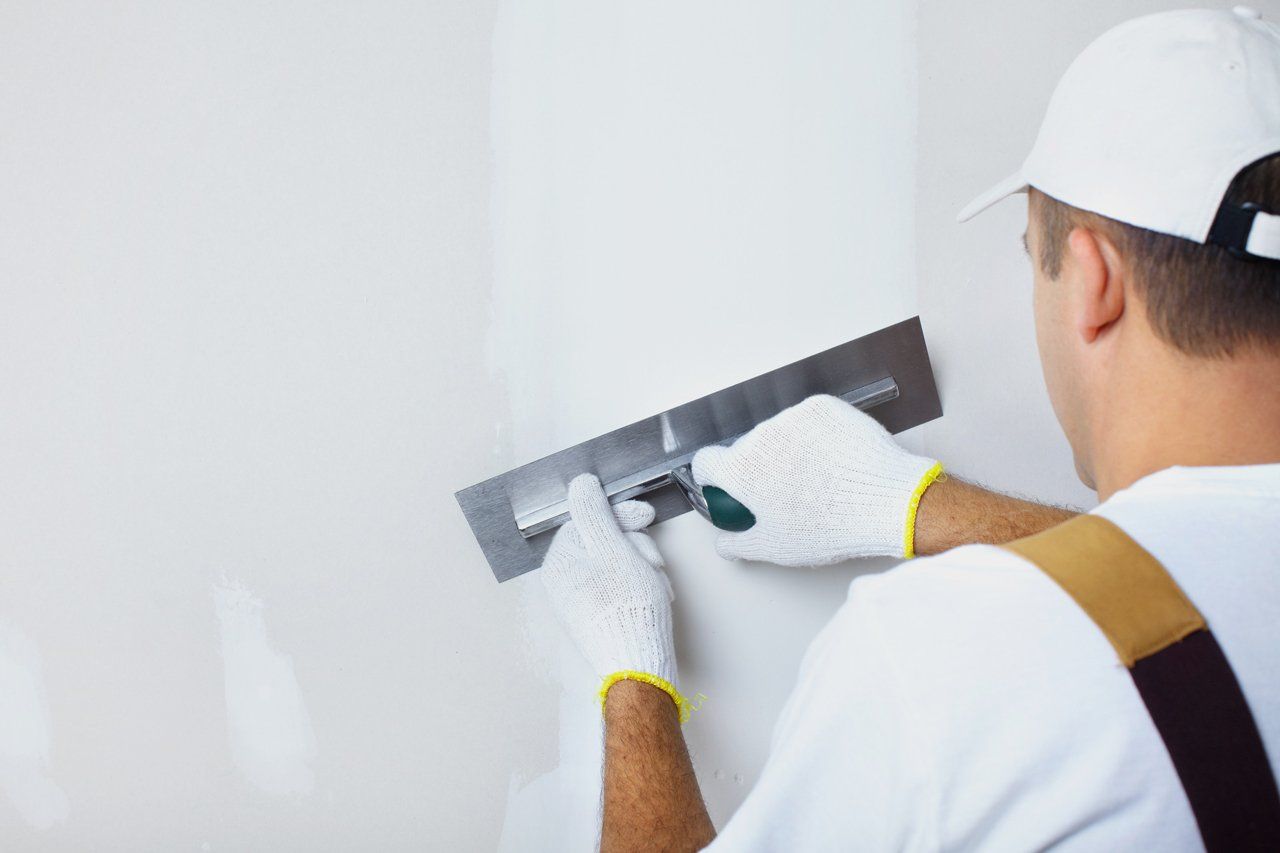
Your walls might be trying to tell you something. Cracks appearing out of nowhere, damp patches that won't go away, or that hollow sound when you knock on the wall. These are all signs that your plaster could be on its way out.
Replastering means getting a wall back to a sound surface and putting new plaster on it, rather than filling the odd crack. Sometimes that's a thin skim over what's already there. Sometimes the old plaster has to come off altogether.
But how do you know when it's time to call in a professional? And when can you get away with a simple patch repair instead of a full replaster?
In this guide, we'll walk you through the common warning signs that your walls need attention, when a quick fix will do the job, and how a wall actually gets replastered, step by step.
The 5 Warning Signs Your Walls Need Replastering
1. Cracks Spreading From Corners
Small hairline cracks around door frames and window corners are fairly normal in most homes. They usually appear as the building settles over time.
However, when cracks start spreading outwards from corners, getting wider or longer, this is a sign of a bigger problem. These spreading cracks often mean the plaster has lost its bond with the wall behind it.
What to look for:
- Cracks that branch out like tree roots
- Cracks wider than 3mm
- Cracks that keep coming back after you've filled them
2. Damp Patches That Keep Returning
If you've noticed damp patches on your walls that keep coming back no matter how many times you paint over them, the plaster itself could be the issue.
When plaster absorbs moisture over a long period, it loses its strength and starts to break down. Simply painting over the problem won't fix it. The damp will keep coming through.
What to look for:
- Discoloured patches that reappear after painting
- A musty smell near affected walls
- Paint that bubbles or peels in the same spots
3. Hollow Sounds When Tapped
Here's a simple test you can do right now: gently tap your wall with your knuckles and listen to the sound it makes.
Solid plaster should produce a dull thud. If you hear a hollow, drum-like sound, this means the plaster has separated from the wall behind it. This is called "blown" plaster, and it's only a matter of time before it starts cracking or falling away.
How to check:
- Tap the wall gently in several spots
- Compare the sound to areas you know are solid
- Mark any hollow-sounding areas with masking tape
4. Crumbling or Flaking Surfaces
When plaster starts to crumble or flake when you touch it, the material has reached the end of its life. This often happens in older properties or in rooms with high moisture levels like bathrooms and kitchens.
You might notice:
- Sandy or powdery texture when you rub the wall
- Small pieces falling away when touched
- Dust gathering at the base of walls
5. Bulging or Uneven Plaster
Bulges in your plaster are a clear sign that something has gone wrong behind the surface. This could be caused by moisture damage, structural movement, or simply old age.
Bulging plaster is unstable and can fall away suddenly, so it's important to get it checked sooner rather than later.
Patch Repair vs Full Replastering: Which Do You Need?
Not every plastering problem needs a full room replaster. Here's a helpful guide to understanding when each approach makes sense:
When a Patch Repair Works Well
Patch repairs are ideal when:
- The damage is limited to a small area (less than 1 square metre)
- The underlying cause has been fixed (like a leak that's been repaired)
- The rest of the plaster is in good condition
- You're on a tight budget and the damage isn't structural
When Full Replastering is the Better Choice
Full replastering becomes the smarter option when:
- Damage covers large areas or multiple walls
- You're renovating and want a perfect finish
- The plaster is original to an older property and past its best
- Patch repairs would be visible and affect the final look
- You're planning to sell and want walls that look their best
If the existing plaster is sound but the surface is uneven, our plaster skimming service in York may provide the smooth finish needed without a full strip-out.
How to Replaster a Wall, Step by Step
This is how we replaster a wall on a typical York job. Worth knowing even if you never pick up a trowel, because it explains why a proper replaster rarely happens in a day, and why the prep matters more than the plastering.
1. Sort the cause first
If a leak or damp blew the old plaster, new plaster over the top will go the same way. The gutter, the pipe or the condensation problem gets dealt with before anything else happens.
2. Strip back to a sound surface
Loose and blown plaster gets hacked off until you hit material that's firmly stuck to the wall. On an older house that can mean taking the whole wall back to brick. Cover the floor and seal the doorway. This bit makes a lot of dust.
3. Prepare the wall
Brush the bare wall down and deal with the suction. Old brick drinks the water out of fresh plaster, and plaster that dries too fast cracks. So depending on the surface, the wall gets damped down, sealed with diluted PVA or given a bonding primer. Any cracks in plaster you're keeping get scrim tape over them.
4. Build it back out with a backing coat
Where the wall has been stripped, a thicker undercoat goes on first to fill it out and get it flat. That's usually a bonding or hardwall plaster, or sand and cement on some older walls. It's ruled off with a straight edge and scratched so the next coat has something to grip. Some walls are quicker and better boarded instead, which we cover on our dry lining page.
5. Put the finish coat on
Two thin coats of finish plaster go over the backing once it's firm enough. As the finish starts to set, it's trowelled again and again to close up the surface and polish out the marks. Timing is most of the skill here. Go too early and you drag the plaster about. Leave it too late and it won't flatten.
6. Let it dry, then mist coat
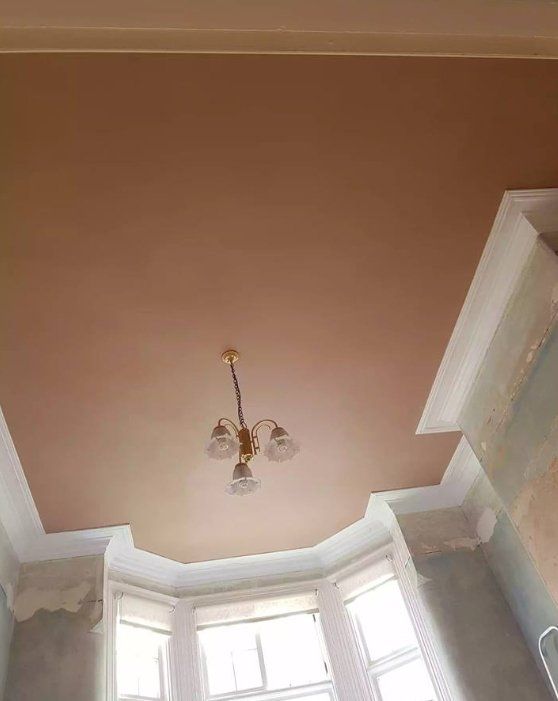
Fresh plaster goes from dark brown to an even pale pink as it dries. A skim can be ready in a few days, while a wall that's had a full backing coat takes longer, especially in winter. Then it needs a watered down mist coat before your normal paint. Rolling ordinary emulsion straight onto new plaster is the quickest way we know to ruin a good finish.
What Happens If You Ignore the Signs?
Leaving damaged plaster too long can lead to bigger problems:
- Structural issues. Moisture trapped behind damaged plaster can affect the wall itself
- Higher costs. Small repairs become major jobs when left untreated
- Health concerns. Damp plaster can encourage mould growth
- Poor decoration. Paint and wallpaper won't stick properly to failing plaster
Replastering Questions We Get Asked
Can I replaster a wall myself?
You can, and plenty of people give it a go. Filling cracks and small patches is a fair DIY job. A whole wall is harder than the videos make it look, mostly because of the timing on the finish coat, and a wavy wall shows every flaw once the paint goes on and the light hits it. On a room you care about, having it done once often works out cheaper than having a go and then paying someone to put it right.
Can you put new plaster on top of old plaster?
Yes, if the old plaster is sound and firmly stuck to the wall. That's what skimming is, a thin finish coat over the existing surface. If the old plaster is blown or crumbling, it has to come off first or the new coat will fail along with it. Our plaster skimming in York page explains how that works.
How much does it cost to replaster a wall?
It depends on the size of the wall, whether the old plaster has to come off, and how much prep the surface needs. Skimming over sound plaster costs a lot less than stripping a wall back to brick and building it up again. We don't quote blind over the phone. We look at the wall and give you a free, no obligation quote.
How long does a replastered wall take to dry?
A skim over sound plaster usually needs a few days. A wall that's had a backing coat and a finish coat can take a week or more, and longer in a cold room or over winter. You're waiting for an even pale pink colour with no darker patches left.
Get a Professional Opinion
If you've spotted any of these warning signs in your home, the best next step is to get a professional assessment. An experienced plasterer can quickly tell you whether you need a simple repair or a full replaster, and give you an honest answer about what's really necessary.
At McHandy, we offer free, no-obligation assessments for homeowners across York and the surrounding areas. We'll inspect your walls, explain what we find in plain English, and give you a clear quote with no hidden surprises.
Ready to find out what your walls really need?
Contact McHandy today for your free plastering assessment. You can also browse our full range of plastering services to see how we can help transform your home.